
The rainy season can bring heavy downpours, strong winds, and unpredictable weather that put your home’s roofing system to the test. A roof that appears to be in good condition during dry weather may have hidden cracks, loose fasteners, or deteriorating seals that become serious problems once the rain begins.
In the Philippines, where prolonged rainfall and tropical storms can cause roof leaks and water damage, preparing your roof ahead of the rainy season is an essential part of home maintenance. Regular inspections and timely repairs can help prevent costly damage, protect your home’s interior, and extend the service life of your roofing materials.
Preparing the Roof Ahead of the Rainy Season: A Complete Homeowner’s Checklist
1. Inspect the Roof for Visible Damage
The first step in preparing your roof is to check for signs of wear and damage. Even small defects can allow water to enter the roofing system during prolonged rainfall. Pay attention to areas where different roofing materials meet, as well as locations around skylights, vents, and other openings. These are common points where water can enter if the flashing or seals deteriorate.
2. . Inspect Roof Drainage and Waterproofing
A reliable roofing system does more than keep rain off the building. It must also direct water away efficiently and prevent moisture from entering vulnerable areas. Gutters and downspouts play an important role in directing rainwater away from your roof and foundation. When they become clogged with leaves, dirt, and other debris, water can overflow and collect along the roof edges.
3. Check Flashing, Roof Seals, and Fasteners
Flashing, sealants, and fasteners help protect vulnerable areas of the roof against water intrusion. Over time, exposure to sunlight, temperature changes, and moisture can cause seals to deteriorate and metal components to loosen or corrode.
4. Look for Signs of Roof Leaks Inside the House
Roof problems are not always visible from the outside. Sometimes, the earliest signs of damage appear on ceilings, walls, or in the attic. Notice signs of water stains, visible mold, discoloration or musty odors and assess the problem quickly.
5. Trim Overhanging Trees and Remove Debris
Trees provide shade and improve the appearance of a property, but overhanging branches can pose risks to roofing systems during storms. Strong winds may cause branches to scrape against roof surfaces, break off, or fall onto the structure. Leaves and twigs can also accumulate in gutters and roof valleys, trapping moisture and obstructing drainage.
6. Check the Condition of Your Roofing Materials
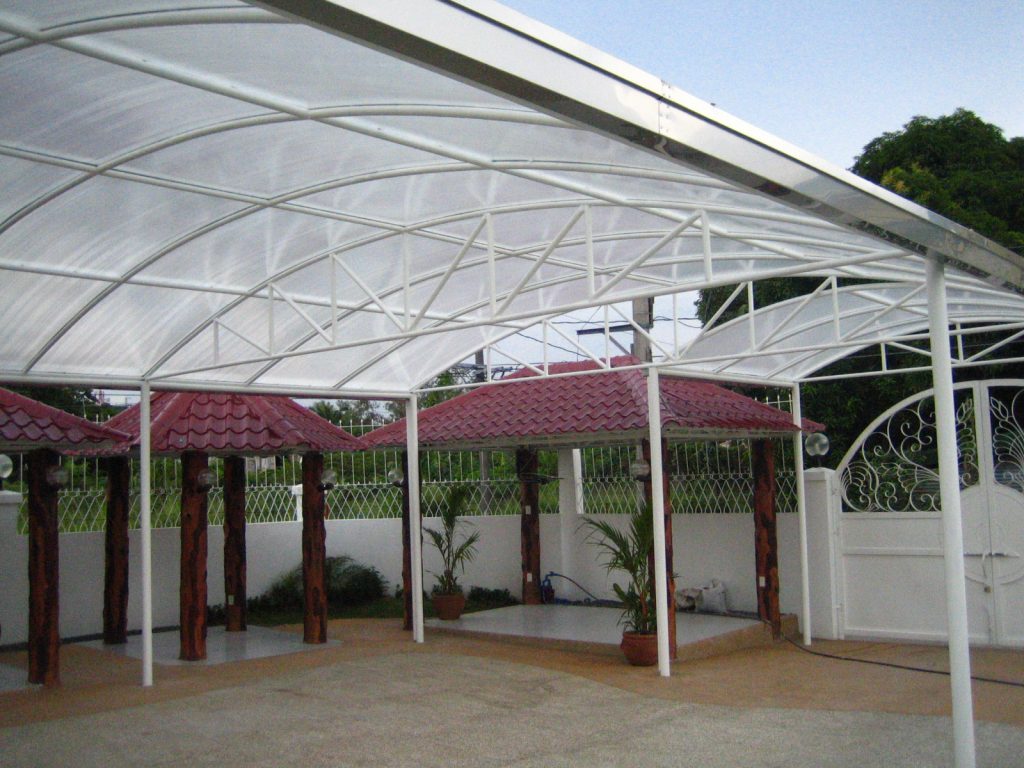
Different roofing materials have different maintenance requirements. Understanding the condition of your roof’s material can help you determine whether it needs cleaning, repair, or replacement. Check for gaps and connectors in polycarbonate sheets. Secure roofing components before strong winds arrive.
Protect the Roof that Protects You
Preparing your roof ahead of the rainy season is a practical way to protect your home from leaks, moisture damage, and the effects of strong winds. However, preparing your start does not start nor end once the rainy season begins. Regular inspections, cleaning, and maintenance is your best bet against strong typhoons.
More than the visual properties of Duralon polycarbonate sheets are its durable features. With the right installation and maintenance, it can brace against strong weather conditions and remains watertight to keep your home safe and protected. Find Duralon polycarbonate in all Polylite stores nationwide.
Get a quote: https://forms.gle/KzzS3tb7UgV9Y6ng7
Send us a message: sales@polylite.com.ph
Contact us: (02) 8808-7659; 0998 979 7659 / 0998 961 7502